Technical Knowledge

What Is Denier in Metallic Yarn?

Understand what denier means in metallic yarn, how it affects yarn fineness, and how to select the right specification for textile applications.

By Suvarnatantu Technical Team · · 3 min read
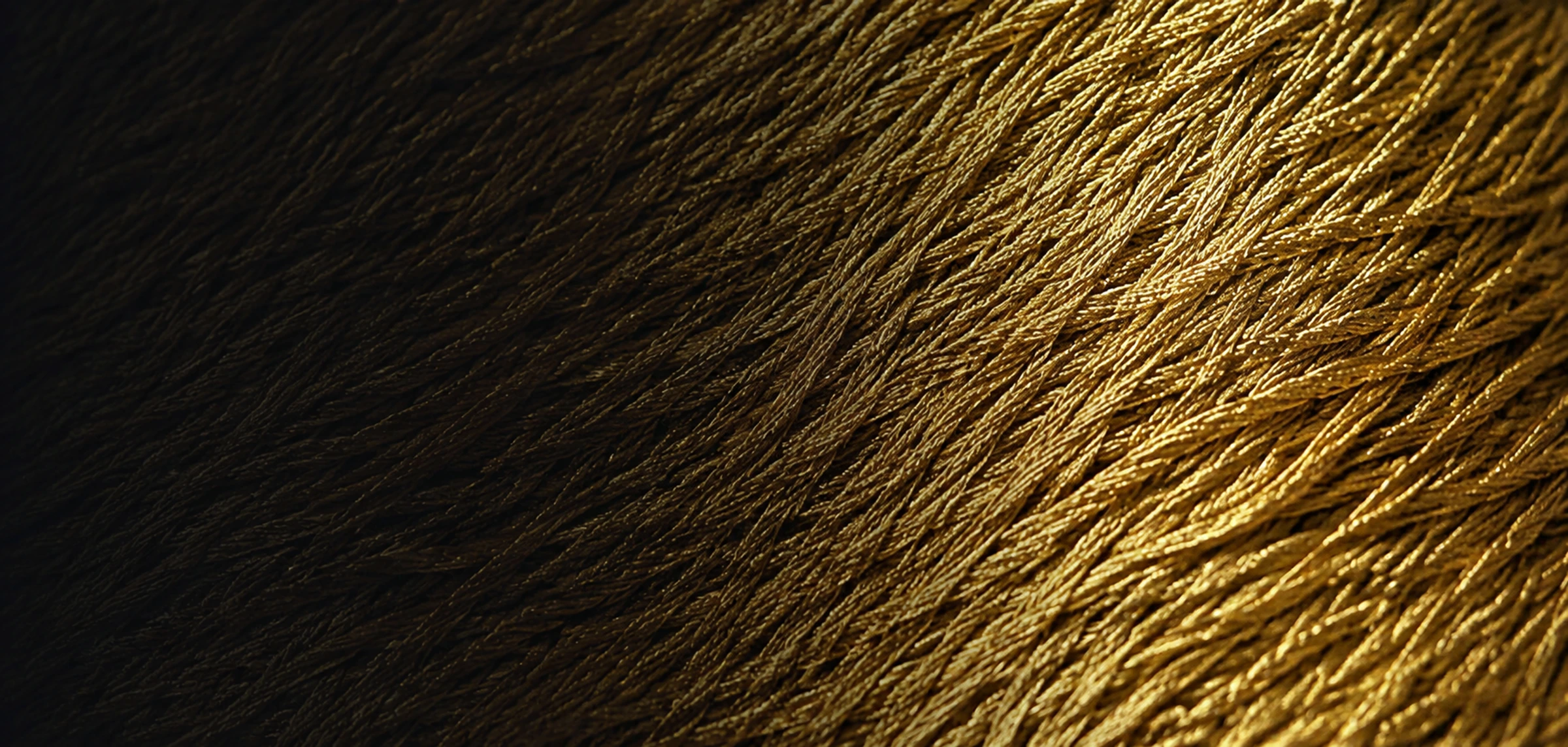
Gold metallic yarn rolls for textile manufacturing

Denier is a unit used to describe the linear mass or fineness of a yarn or filament. In simple terms, it helps textile manufacturers and buyers understand how fine, light, or heavy a yarn specification is.

For metallic yarn, denier is one of several technical parameters that may be considered when selecting yarn for weaving, embroidery, knitting, decorative fabrics, sarees, jacquard, lace, and other textile applications.

What Does Denier Mean?

Denier represents the weight in grams of 9,000 metres of yarn or filament.

For example:

  • 75 denier means 9,000 metres weighs approximately 75 grams.
  • 150 denier means 9,000 metres weighs approximately 150 grams.
  • 300 denier means 9,000 metres weighs approximately 300 grams.

As a general principle, a lower denier indicates a finer and lighter filament, while a higher denier indicates a heavier or coarser filament.

However, the final behaviour of metallic yarn also depends on its complete construction, including the supporting yarn, metallic film, wrapping method, twist and application requirements.

Why Is Denier Important in Metallic Yarn?

Selecting the correct denier can influence several characteristics of the finished yarn and fabric.

These may include:

  • yarn appearance
  • fineness
  • fabric weight
  • coverage
  • flexibility
  • weaving behaviour
  • embroidery performance
  • strength
  • surface effect
  • final textile appearance

A finer specification may be suitable where a lightweight and delicate metallic effect is required.

A heavier specification may be considered where more visible coverage, body or decorative impact is required.

Denier and Metallic Yarn Construction

Metallic yarn is not always a simple single filament.

Depending on the yarn type, it can combine:

  • metallised polyester film
  • polyester yarn
  • nylon yarn
  • viscose or other supporting yarn
  • wrapped or twisted structures

Because of this, denier should not be considered alone.

Two metallic yarns with similar denier values can perform differently if their film width, twist, supporting yarn or manufacturing construction is different.

For accurate sourcing, buyers should normally review the complete yarn specification.

Denier vs Yarn Thickness

Denier is related to linear mass, but it should not always be treated as an exact visual measurement of diameter.

The apparent thickness of a metallic yarn can also change because of:

  • filament construction
  • number of components
  • metallic film width
  • wrapping density
  • twist level
  • finishing
  • material density

This is why physical samples and technical specifications are useful before final bulk production.

How to Select the Right Denier

The correct denier depends primarily on the intended textile application.

Saree and Weaving Applications

For saree borders, jacquard, brocade and decorative weaving, the selected yarn should balance appearance with loom compatibility and fabric construction.

Embroidery

Embroidery applications may require different yarn characteristics depending on machine type, stitch density, design and required shine.

Knitting

Knitting applications generally require consideration of flexibility, yarn movement and compatibility with the knitting structure.

Lace and Decorative Textiles

Decorative applications may prioritize metallic appearance and coverage while still requiring suitable yarn handling properties.

Therefore, the correct denier should be selected together with the application, machine conditions and final appearance requirement.

Denier and Other Important Specifications

When discussing metallic or Zari yarn with a manufacturer, buyers may also need to provide or confirm:

TPM / Twist

Twist per metre can influence yarn structure and handling.

Colour

Examples include gold, silver, copper, rose gold, antique and custom colours.

Metallic Film

Film characteristics can affect shine, colour and appearance.

Application

The manufacturer should know whether the yarn will be used for weaving, embroidery, knitting, lace or another process.

Required Quantity

Sample and commercial-production requirements may have different considerations.

Is Higher Denier Always Better?

No.

Higher denier does not automatically mean better quality.

The correct denier depends on the intended application.

A very heavy yarn can be unsuitable for a fabric that requires a fine and delicate metallic effect, while an extremely fine yarn may not provide enough coverage for another application.

The objective is to choose the appropriate specification, not simply the highest denier.

Why Testing a Sample Is Useful

Before placing a larger commercial order, testing a yarn sample can help the buyer evaluate:

  • appearance
  • colour
  • shine
  • compatibility with machinery
  • fabric construction
  • yarn behaviour
  • required coverage

Sample evaluation can reduce the risk of selecting an unsuitable specification for production.

Frequently Asked Questions

What is denier in simple words?

Denier tells you the linear weight of a yarn or filament. A lower number generally represents a finer filament, while a higher number generally represents a heavier filament.

What does 150 denier mean?

It means that 9,000 metres of the yarn or filament has a nominal mass of approximately 150 grams.

Does higher denier mean stronger yarn?

Not necessarily. Strength depends on the material, construction, twist and other manufacturing parameters in addition to denier.

Which denier is best for metallic yarn?

There is no single best denier. The correct specification depends on the textile application, fabric construction, machine and required appearance.

Should I request a sample before bulk ordering?

For a new specification or application, sample evaluation is generally useful before bulk production.

Conclusion

Denier is an important technical parameter for understanding the linear mass and fineness of yarn. In metallic yarn sourcing, however, it should be considered together with the yarn construction, twist, metallic film, colour, application and required end result.

Suvarnatantu works with B2B textile buyers to review metallic and Zari yarn requirements based on their intended applications and technical specifications.

Suvarnatantu — Technical Zari & Metallic Yarn Solutions by Vastranand Pvt. Ltd.

Need help selecting the right yarn specification?

Request SampleRequest Quote