Metallic Yarn

What Is Metallic Yarn?

Learn what metallic yarn is, how it is made, its applications, important specifications, and how to select the right metallic yarn for textile manufacturing.

By Suvarnatantu Technical Team · · 4 min read
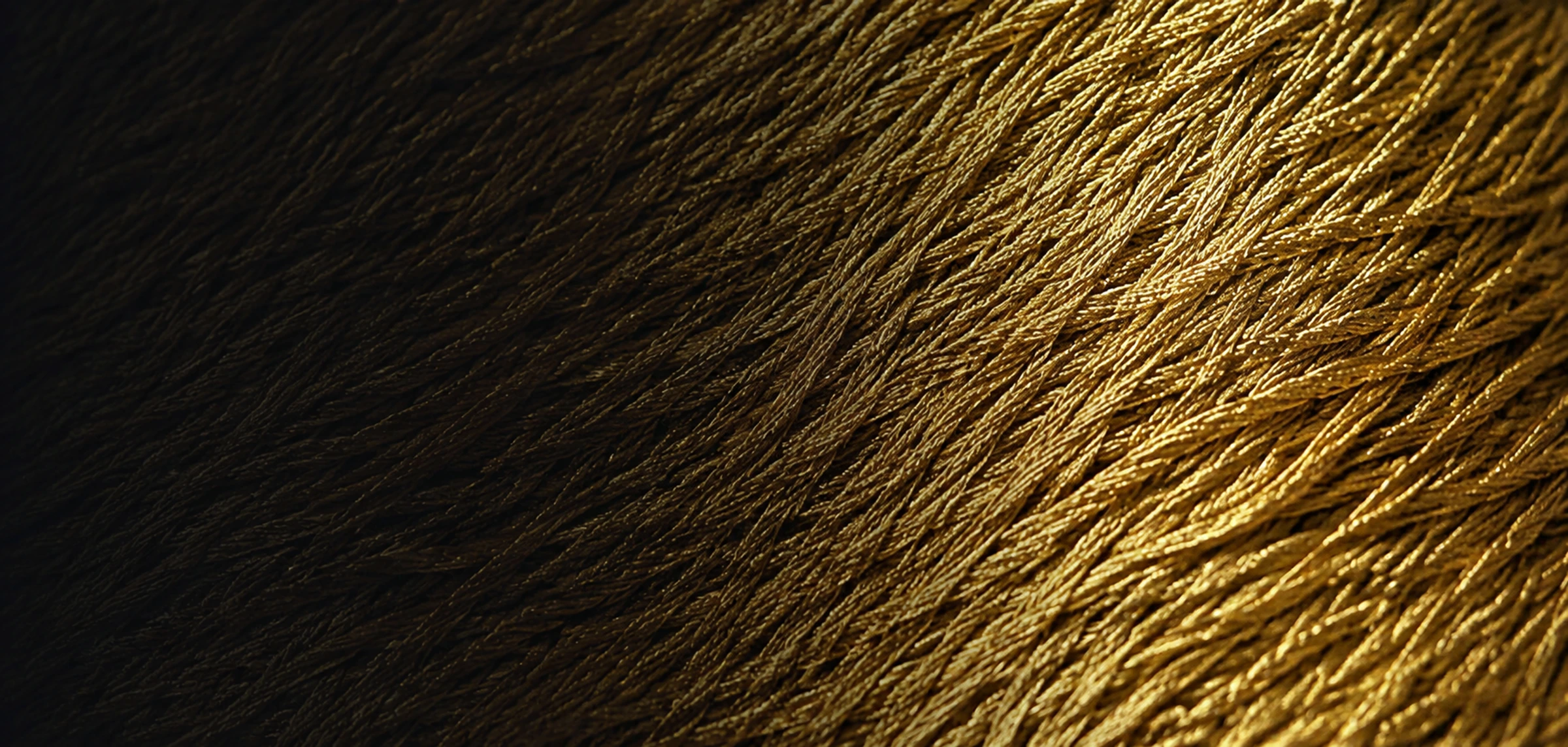
Gold metallic yarn spool showing shiny decorative yarn texture

Metallic yarn is a decorative yarn designed to create a shiny, reflective, or metallic appearance in textiles. It is widely used in sarees, zari fabrics, embroidery, jacquard, brocade, knitting, lace, fashion garments, and decorative textiles.

Depending on its construction, metallic yarn can combine metallic or metallised film with polyester, nylon, rayon, or other supporting yarns to achieve the required strength, flexibility, colour, and appearance.

How Is Metallic Yarn Made?

Metallic yarn can be produced using very thin metallised film that is cut into narrow strips and used directly or combined with another yarn.

In many constructions, the metallic component is wrapped or twisted together with a supporting core yarn.

The exact manufacturing method depends on the required product specification and final textile application.

Important production parameters can include:

  • Metallic film type
  • Film width
  • Core yarn
  • Denier
  • TPM or twist level
  • Colour
  • Yarn construction
  • Strength
  • Flexibility
  • Final application

These parameters influence how the metallic yarn looks and performs during textile production.

What Is Metallic Film?

Metallic film is one of the important components used in many metallic yarn constructions.

The film provides the shiny and reflective surface associated with metallic yarn.

It can be produced in different colours and finishes, including:

  • Gold
  • Silver
  • Copper
  • Rose gold
  • Antique shades
  • Coloured metallic finishes
  • Custom shades

The choice of film depends on the visual effect and textile application required by the buyer.

Metallic Yarn and Zari Yarn

Metallic yarn and zari yarn are closely related, but the terms can be used differently depending on the textile industry and product construction.

Traditionally, zari refers to decorative metallic yarn used in Indian textiles, particularly sarees, brocade, embroidery, and ceremonial fabrics.

Modern zari yarn may use metallised polyester film, supporting yarns, and different twisting or wrapping constructions.

Metallic yarn is a broader term that can include many types of reflective decorative yarn used in textile applications.

Where Is Metallic Yarn Used?

Metallic yarn can be used in many textile applications.

Saree Weaving

Metallic yarn is widely used to create borders, pallus, motifs, buttas, stripes, and decorative effects in sarees.

Jacquard and Brocade

Jacquard and brocade fabrics often use metallic yarn to create detailed decorative patterns with a premium visual appearance.

Embroidery

Metallic yarn can be used in machine and decorative embroidery where shine and visual contrast are required.

Knitting

Selected metallic yarn constructions can be incorporated into knitted fabrics to create fashionable reflective effects.

Lace and Decorative Textiles

Metallic yarn can also be used in lace, trims, ribbons, decorative fabrics, accessories, and specialised textile products.

Home Furnishing

Decorative metallic effects may be used in curtains, cushions, upholstery accents, table textiles, and other furnishing applications.

Important Metallic Yarn Specifications

When sourcing metallic yarn, buyers should consider more than just colour.

Several technical parameters can affect the final result.

Denier

Denier indicates the linear density or fineness of the yarn.

Different applications can require different denier specifications.

TPM

TPM stands for Twists Per Meter.

It indicates how many twists are present in one meter of yarn.

TPM can affect yarn firmness, flexibility, stability, appearance, and production performance.

Colour and Finish

Metallic yarn is available in different shades and surface effects.

The required colour should be selected according to the fabric design and end-use requirement.

Core Yarn

The supporting yarn used in the construction can influence strength, flexibility, and overall yarn behaviour.

Tensile Performance

Adequate yarn strength is important when metallic yarn is processed on weaving, embroidery, knitting, or other textile machinery.

Why Is Metallic Yarn Quality Important?

Consistency is especially important in industrial textile production.

Variation in colour, twist, denier, strength, or construction can affect the appearance and production performance of the finished fabric.

Quality control can therefore include evaluation of:

  • Denier
  • TPM
  • Twist consistency
  • Tensile performance
  • Colour consistency
  • Shrinkage
  • Surface appearance
  • Yarn construction
  • Batch consistency

Maintaining consistent specifications helps manufacturers achieve more predictable textile production.

How to Select the Right Metallic Yarn

There is no single metallic yarn specification suitable for every textile product.

The correct yarn should be selected according to the final application.

Before sourcing metallic yarn, consider:

  • What fabric will be manufactured?
  • Will the yarn be used for weaving, embroidery, knitting, or another process?
  • What colour or metallic finish is required?
  • What denier is suitable?
  • What TPM is required?
  • What type of core yarn is needed?
  • What level of strength and flexibility is required?
  • What machine will process the yarn?
  • What quantity is required?

Providing complete technical information helps the manufacturer recommend a more suitable yarn specification.

Metallic Yarn for Textile Manufacturing

Metallic yarn is used by many segments of the textile industry, including:

  • Saree manufacturers
  • Weaving units
  • Embroidery manufacturers
  • Jacquard manufacturers
  • Brocade manufacturers
  • Knitting units
  • Lace manufacturers
  • Garment manufacturers
  • Home textile manufacturers
  • Textile exporters
  • Designers and sourcing teams

The required construction can vary significantly between different industries and machines.

Suvarnatantu Metallic Yarn Solutions

At Suvarnatantu, metallic and zari yarn specifications are evaluated according to the requirements of textile manufacturers, exporters, designers, weaving units, embroidery units, and sourcing teams.

Technical parameters such as denier, TPM, twist, tensile performance, shrinkage, colourfastness, colour, and yarn construction can be considered when developing or selecting a suitable yarn.

Our focus is to help B2B buyers understand the technical specifications behind metallic and zari yarn before making a sourcing decision.

Need a Custom Metallic Yarn Specification?

If you are sourcing metallic yarn for saree weaving, jacquard, brocade, embroidery, knitting, lace, fashion textiles, or another application, share your requirements with Suvarnatantu.

Please provide:

  • Application
  • Yarn type
  • Denier
  • TPM
  • Colour
  • Required finish
  • Quantity
  • Machine or manufacturing process
  • Other technical requirements

Our team can review your requirement and help identify an appropriate metallic yarn specification.

Suvarnatantu — Technical Zari & Metallic Yarn Solutions by Vastranand Pvt. Ltd.

Need help selecting the right yarn specification?

Request SampleRequest Quote