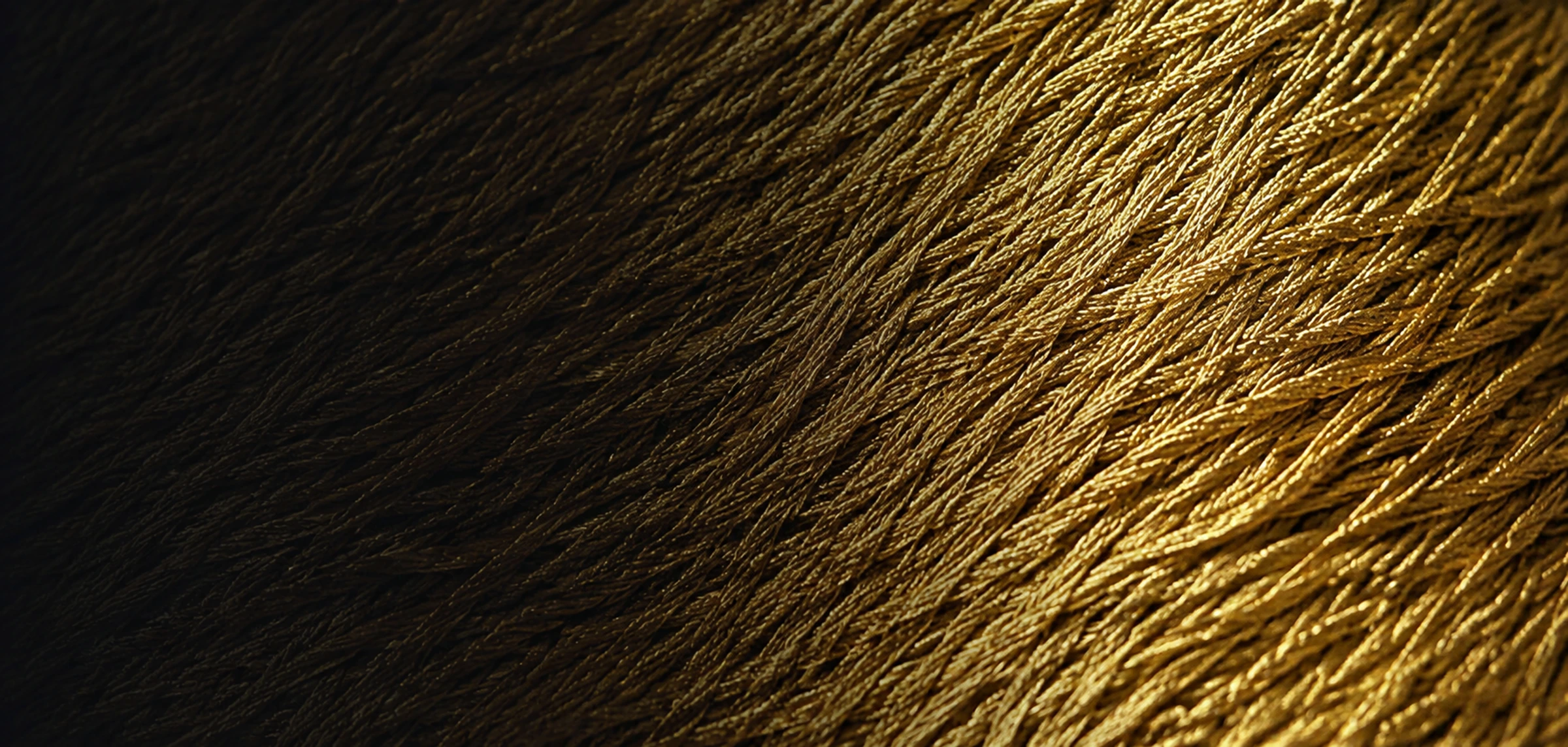
What Is TPM in Zari Yarn?
Learn what TPM means in zari yarn, how twists per meter affect strength, flexibility, appearance and weaving performance, and how to select the right TPM.

TPM stands for Twists Per Meter. It is the number of twists given to a yarn over one meter of its length.
In zari and metallic yarn manufacturing, TPM is an important technical parameter because the amount of twist directly affects the yarn’s strength, appearance, flexibility, feel, and performance during weaving, embroidery, knitting, and other textile processes.
Why Is TPM Important in Zari Yarn?
The correct TPM helps keep the metallic film, polyester yarn, nylon yarn, or other components of zari properly combined.
If the twist is too low, the yarn may become loose or unstable. If the twist is too high, the yarn may become harder, tighter, or less flexible.
Selecting the correct TPM therefore depends on the final application of the zari yarn.
How Does TPM Affect Zari Yarn?
1. Yarn Strength
Twisting helps bind the yarn components together.
A suitable TPM can improve yarn stability and help the yarn perform better during high-speed textile production.
2. Flexibility
Lower TPM generally produces a softer and more flexible yarn, while higher TPM can create a firmer and more compact yarn structure.
The required flexibility depends on how the yarn will be used.
3. Surface Appearance
TPM can influence the visual appearance of metallic yarn.
Different twist levels can change how the metallic surface reflects light and how compact or open the yarn appears.
4. Weaving Performance
Correct TPM can help the yarn move smoothly through weaving machinery and reduce problems such as opening, separation, or irregular yarn formation.
5. Embroidery Performance
For embroidery applications, the yarn needs the right balance between strength, flexibility, and decorative appearance.
The appropriate TPM helps achieve smoother embroidery performance.
Low TPM vs High TPM
Lower TPM
A lower twist level may provide:
- Softer yarn
- Greater flexibility
- More open yarn structure
- Different metallic reflection
- Suitability for selected decorative applications
Higher TPM
A higher twist level may provide:
- More compact yarn structure
- Better component binding
- Increased firmness
- Improved stability for certain applications
- Different surface appearance
However, higher TPM does not automatically mean better quality. The correct TPM must be selected according to the yarn construction and its intended textile application.
How Is TPM Calculated?
TPM represents the total number of twists present in one meter of yarn.
For example:
If a yarn contains 600 twists in one meter, its twist level is:
TPM = 600
Similarly, if the yarn contains 1,000 twists in one meter, its TPM is:
TPM = 1,000
The appropriate value depends on several factors, including yarn denier, metallic film, core yarn, application, machine requirements, and required finished appearance.
TPM and Denier Are Different
TPM and denier describe two different yarn properties.
TPM measures the number of twists per meter.
Denier measures the linear density or fineness of the yarn.
Both parameters are important when specifying metallic yarn or zari yarn.
A buyer may therefore specify both the required Denier and TPM when developing a yarn for a particular textile application.
Where Is TPM Important?
TPM selection can be important for zari yarn used in:
- Saree weaving
- Jacquard fabrics
- Brocade
- Embroidery
- Knitting
- Lace
- Decorative textiles
- Fashion fabrics
- Home furnishing textiles
Each manufacturing process may require a different yarn construction and twist level.
How to Select the Correct TPM
There is no single TPM that is suitable for every zari yarn.
The correct specification should be selected based on:
- Yarn type
- Denier
- Metallic film specification
- Core yarn
- Final application
- Weaving or embroidery machine
- Required strength
- Required flexibility
- Surface appearance
- Customer production requirements
For industrial sourcing, it is always better to evaluate the complete yarn specification rather than selecting TPM alone.
TPM Testing and Quality Control
Consistent TPM is important for maintaining uniform yarn quality from one production batch to another.
During quality evaluation, manufacturers can check the twist level to ensure that the supplied yarn matches the required specification.
Consistent twist helps manufacturers achieve more predictable performance during downstream textile production.
Suvarnatantu Zari Lab
At Suvarnatantu, technical parameters such as TPM, denier, twist, tensile performance, shrinkage, and colourfastness are considered important parts of zari yarn specification and development.
Our goal is to help textile manufacturers, exporters, weaving units, embroidery units, designers, and sourcing teams understand the technical characteristics of metallic and zari yarn before selecting a product.
For custom requirements, buyers can share their application, yarn type, denier, TPM, colour, quantity, and other technical specifications with our team.
Need a Custom Zari Yarn Specification?
If you are developing zari or metallic yarn for weaving, embroidery, jacquard, sarees, knitting, or another textile application, Suvarnatantu can review your requirement.
Share your required:
- Yarn type
- Denier
- TPM
- Colour
- Application
- Quantity
- Other technical specifications
Our team can review the requirement and help identify a suitable yarn specification.
Suvarnatantu — Technical Zari & Metallic Yarn Solutions by Vastranand Pvt. Ltd.


