Start with the textile
Identify the fabric, process and intended visual result before choosing a family.
Suvarnatantu helps weaving, embroidery and sourcing teams turn an intended textile effect into a clearer zari-yarn requirement.
Zari yarn is a decorative metallic yarn used in Indian textiles, including sarees, brocade and embroidery. Its selection depends on the fabric, process, required appearance, colour or finish direction and the technical information available for the requirement.
The five product families below give buyers a practical starting point before sampling or quotation.
Identify the fabric, process and intended visual result before choosing a family.
An existing yarn, fabric, image or shade reference helps make the requirement more precise.
Choose the product family based on the textile process, required metallic effect, colour direction and available sample or construction reference.
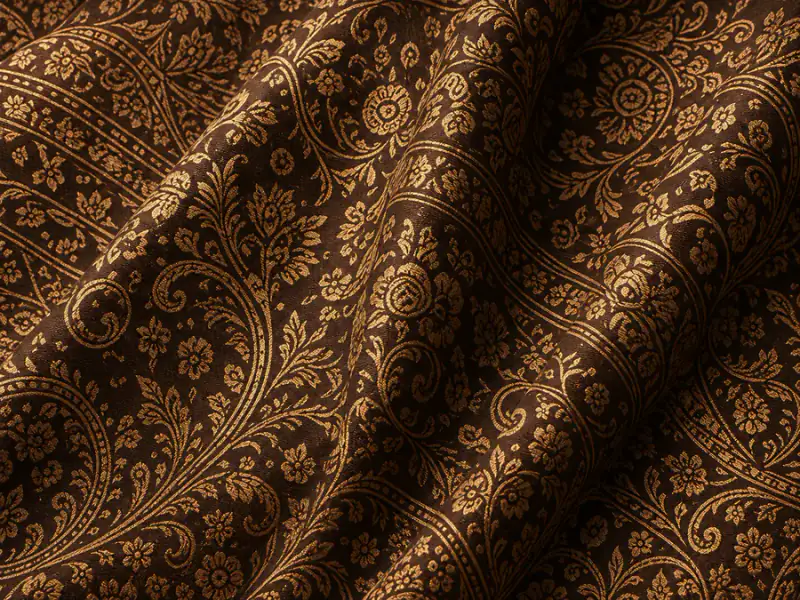
Zari yarn selected in relation to the fabric and weave, for buyers developing woven metallic effects.
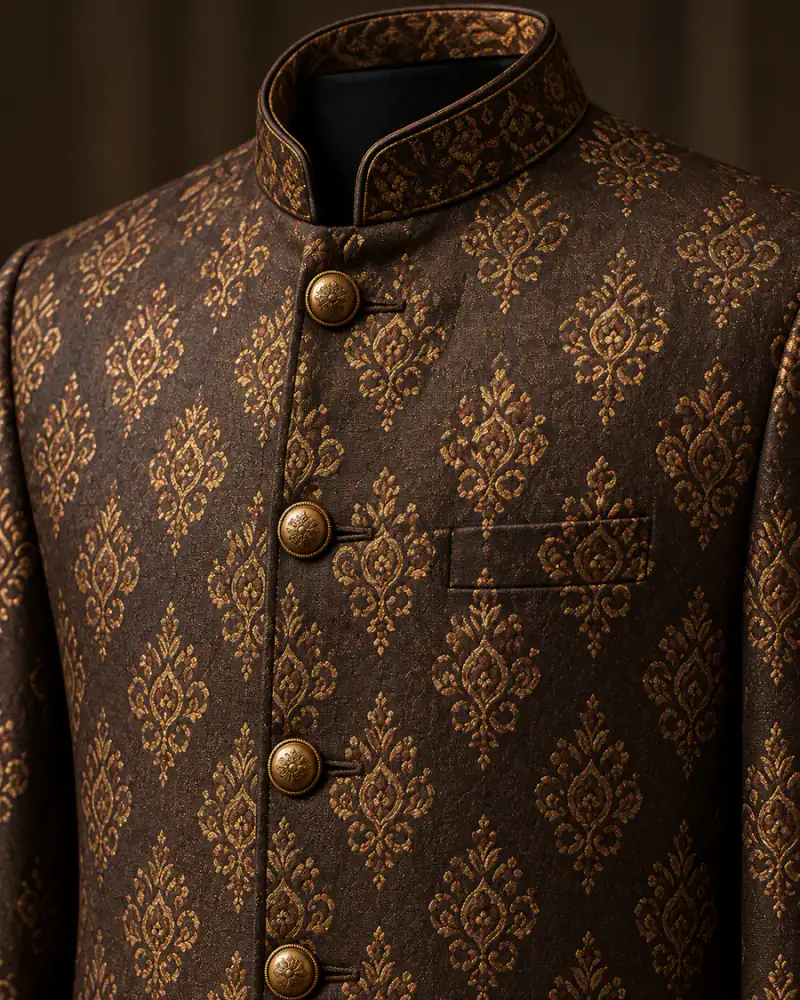
Zari yarn for decorative embroidery requirements where visual effect, colour direction and textile application are reviewed together.

An application-led zari category for buyers defining a required surface effect, colour direction and product reference.

A zari category for buyers discussing textile application, required appearance and available construction or sample context.
Shade-led zari development connecting colour direction with textile application and sample approval.
Use the primary selection context to choose a product route, then add the first reference available to your team.
Bring the product type, construction, film or component context, core or support yarn, denier, TPM, twist, colour, application, quantity, packing and sample reference into one buyer brief. Complete what is known and identify anything that needs technical review.
Construction, denier, TPM and twist describe different parts of the yarn requirement.
Application, appearance, quantity, packing and sample information support sampling and quotation.
Share the application, required appearance, available specification and sample reference. The Suvarnatantu team can review the requirement for sampling or quotation.